Get paid by someone you’ve never met.
Send them a link. Their money goes into escrow held by TradeSafe, you hand the thing over, and a four-digit PIN releases it. No cash, and no proof-of-payment screenshot to take anyone’s word for.
A car, a deposit, a week’s work, or your tenth order this week.
Nothing is charged until a buyer pays, and no one is asked for a card to look around.
- ItemsA car, a phone, furniture, tools
- DepositsRent, a booking, a holding fee
- WorkA job, a repair, a week’s work
- BusinessA link, or a gateway in your own site
The same escrow, pointed at your customers.
Same escrow, same PIN — but it’s your customer on the other side. Take it with a link today, or we’ll build a payment gateway into your own website.
See Handover for business- Available nowEscrow checkoutTake the money. Send the goods yourself.
- Available nowA payment linkNothing to install, nothing to integrate.
- On requestA payment gateway, by APICard payments inside your own website.
Money moves only when the buyer says so.
Four steps, from “Buy” to cash in the seller’s account. Whether you meet or never do, the money is in escrow first — so neither of you is trusting the other.
Four ways in. Same escrow behind all of them.
Whether you are selling, buying, selling the same thing for the tenth time, or taking payments as a business, the money works identically: committed before anything moves, released only when the person paying says so.
One buyer, one sale.
- Set the sale up and send the buyer a link — they need no account.
- Their money goes to TradeSafe, not to you, so they can see it is safe.
- They give you a four-digit PIN once they have it, and that releases the money.
You don’t need them to be on Handover.
- Set it up yourself as the buyer and send the seller the link.
- Your money sits in escrow until you have the item — the seller can see it is there, which is usually what makes a nervous one agree.
- You need nothing from them but a way to send a link.
One link, any number of customers.
- Make a reusable link and paste it in a bio, a WhatsApp reply, an invoice or a product page.
- Every customer who opens it gets their own escrow and their own PIN.
- Nothing to install and nothing to integrate.
Card payments, with or without your own website.
- No company registration, no FICA documents, no approval to wait for.
- Your customer is protected by the same escrow, which is why a first-time buyer trusts you.
- A payment link works today, or we build a payment gateway into your own checkout — WooCommerce first. Your rate is agreed with you.
Same escrow. Three ways to hand it over.
The money works identically in all of them: committed before anything moves, released only when the buyer says so. What changes is who carries the item — and whether the two of you ever meet.
You check it, you release the money.
- The buyer pays first, so the money is already with TradeSafe before anything changes hands.
- No cash changes hands and no proof-of-payment screenshot has to be believed.
- Works for anything two people agree a price on: a car, a couch, a deposit, a day’s work.
No delivery cost — nothing is shipped.
Neither of you meets a stranger.
- The Courier Guy collects from the seller’s door and delivers to the buyer’s.
- The buyer gives their PIN at the door, and that releases the money.
- Declared-value cover is included, and priced straight through.
The buyer pays the fare at cost. Handover adds nothing to it.
Drop it in a locker, collect it when it suits you.
- Neither side waits at home for a driver.
- Open at hours a courier isn’t, which suits a seller who works.
- Same escrow and same PIN as every other method.
Cheaper than a door-to-door fare, paid by the buyer.
What the Handover loop looks like
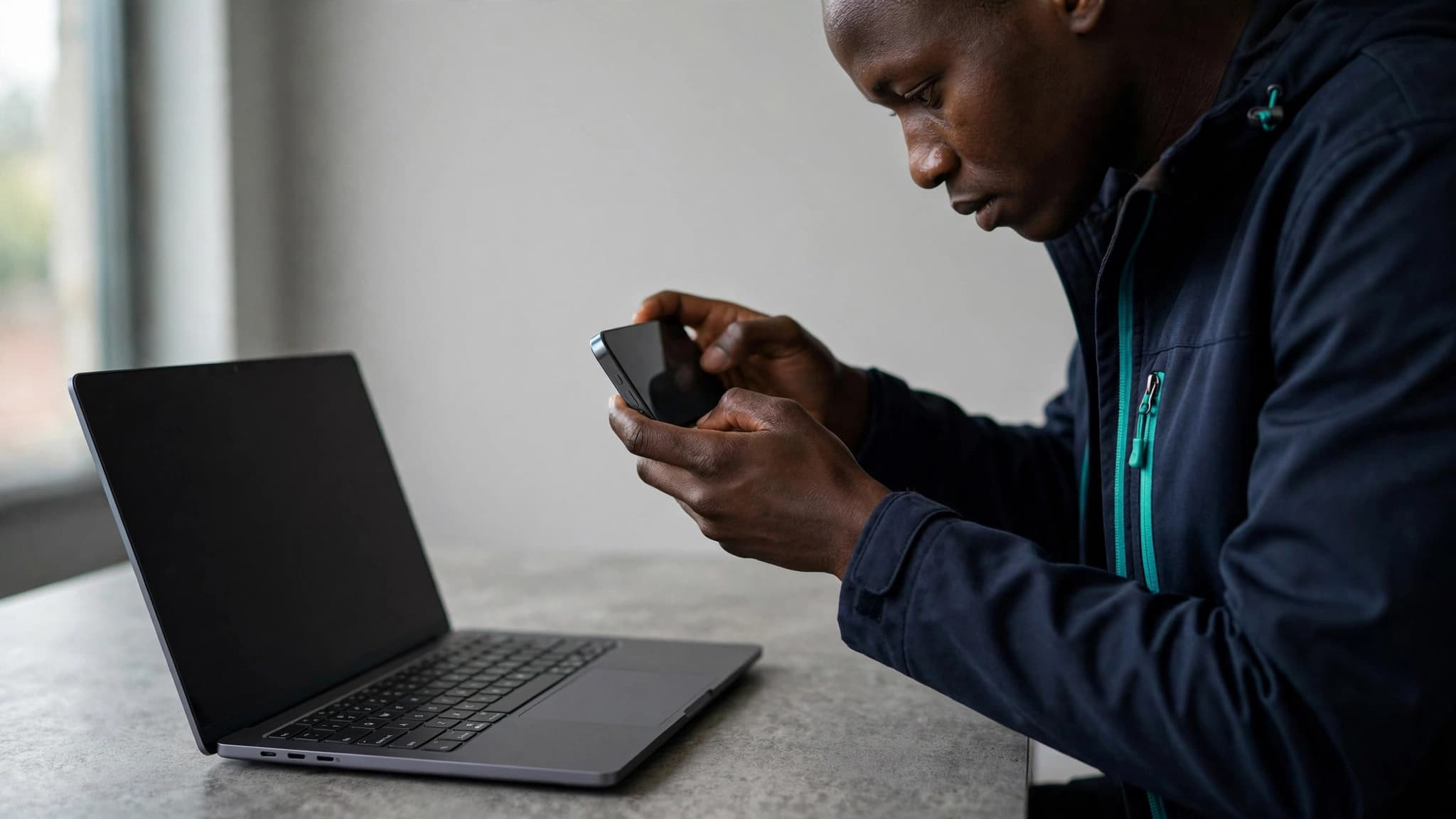
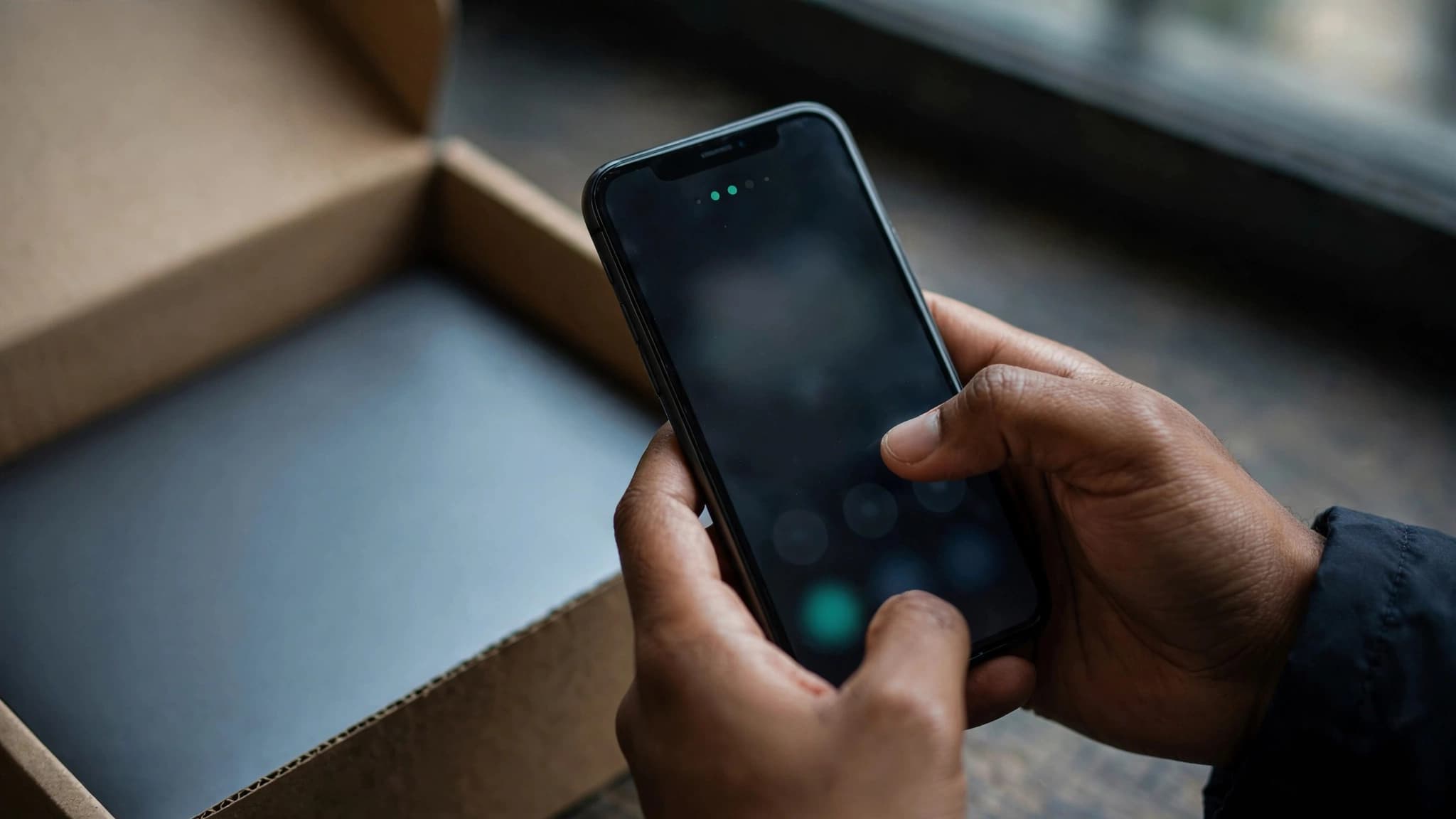
The problem this is built to remove.
These aren’t reviews — the people are illustrative. The situations aren’t: they’re what buyers and sellers keep describing when we ask why a private sale feels risky.
Paying a stranger before I’ve held the thing feels like a coin flip. Money that only moves when I say so, standing in front of them, changes that math completely.
I’ve had people show up wanting to 'test' something and then argue about the price. Knowing the money is already in escrow before they arrive is the version of this I’d trust.
Every meetup ends with someone showing you a screenshot of a payment that hasn’t landed. A PIN I type once I’m happy is the opposite of that.
Why it can’t be gamed.
Each of these is a mechanism rather than a promise — something neither side of the sale can talk its way around after the fact.
PIN release
Only the buyer holds the code, and only that code releases the funds. Nobody else can trigger payment — not Handover, and not a seller trying to free their own money early.
Money first, meeting second
The buyer pays before anyone travels, so the seller knows the money exists and the buyer knows the seller can’t take it. Neither of you is relying on the other to behave.
Photo evidence
The seller photographs the item before the sale can be created, and those photos are stored where nobody can quietly replace them. If the item is disputed later, there is a dated record of what was promised.
Everyone paid, and nothing hidden.
Sellers keep 100% of their listed price. The buyer pays a protection fee on top — or the seller can choose to cover it, so the buyer pays exactly the agreed price. Every line is shown before anyone pays.
A R2,450 item, with no delivery, at a 6% Handover fee plus the escrow provider’s own processing. No courier means no fare and nothing to insure. The seller can choose to cover the protection fee instead, which makes the buyer’s total the asking price plus processing alone.
What happens when something goes wrong.
The questions worth asking before you trust anyone with your money.
Handover is the trading name of a registered South African company based in Gauteng, South Africa. Before you send anyone money you can reach a real person here on 072 299 6492 or at gethandover@gmail.com, and we will answer questions about how a sale works.
Still unsure? Send us a message, email gethandover@gmail.com or call 072 299 6492. However it arrives, a person reads it and answers.
Trust the process, not the stranger.
Escrow is live and money has already been through the full loop — paid in, held, released on a PIN. Start from whichever side you’re on. It costs nothing until a buyer pays.
Sellers sign in with an email link. Buyers don’t sign in at all.